Source toddler girls dress for parties, daily wear, and leisure
Compare 30 listings of toddler girls dress featuring varied styles like A-Line and casual designs. Buyers can review attributes including material, size, and customization options from suppliers in China.
Key considerations
Products List


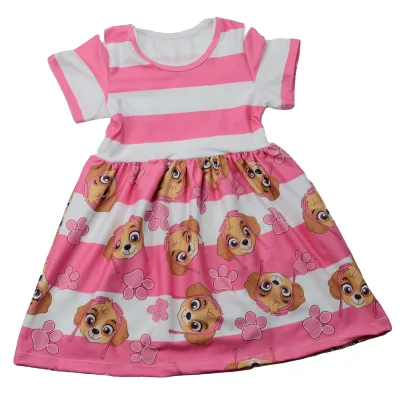
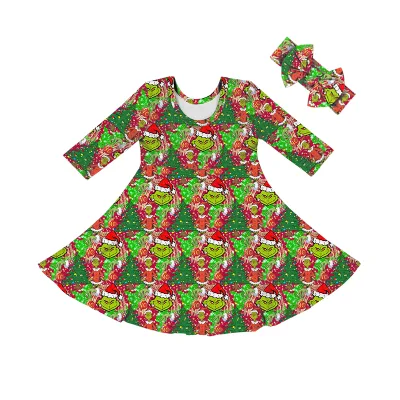
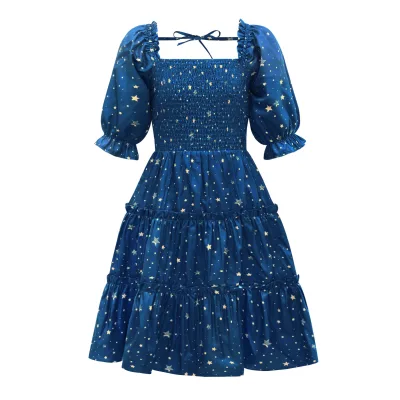
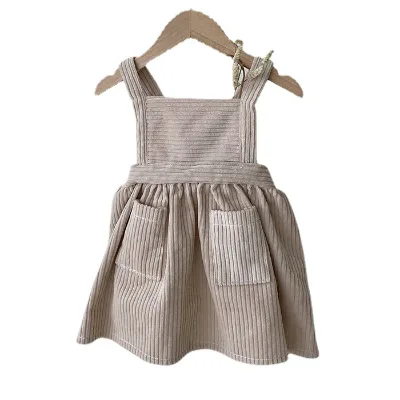
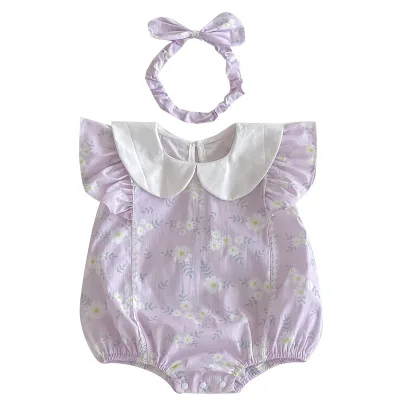


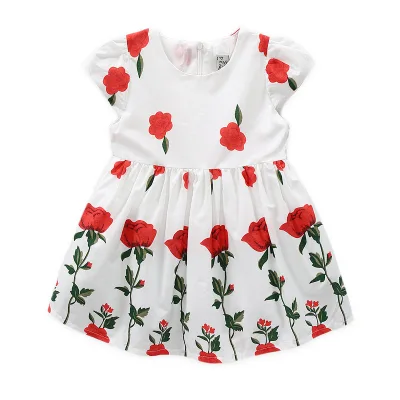
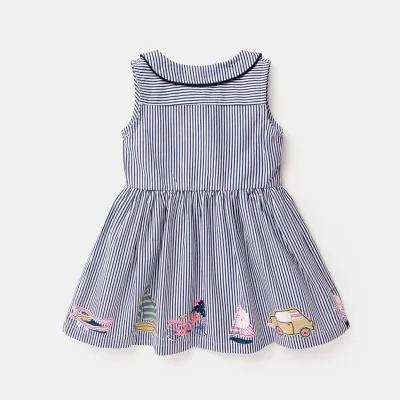
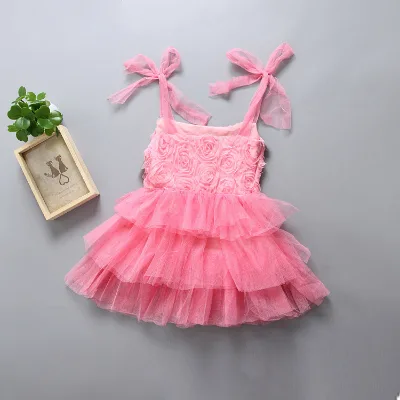
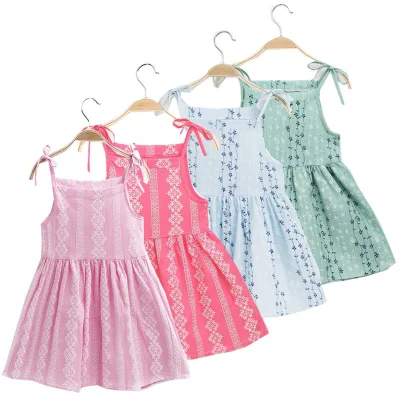
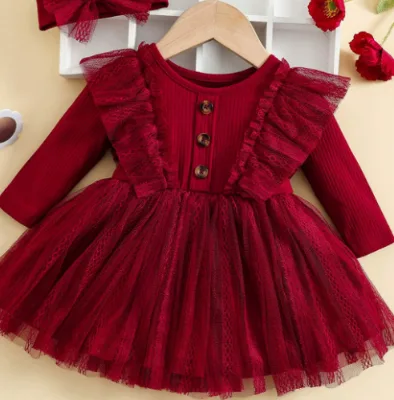

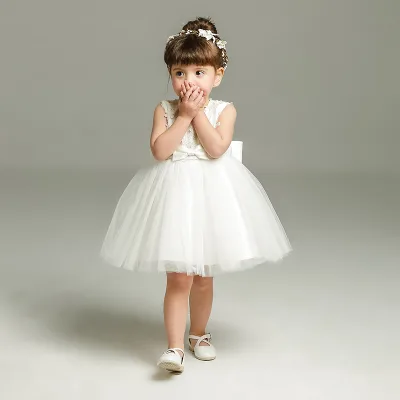
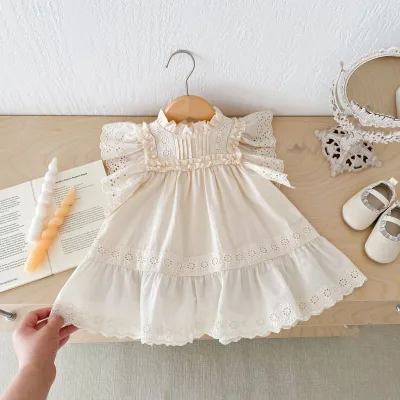

Comprehensive Sourcing Guide
Strategic Sourcing Guide for Toddler Girls Dresses
Procuring toddler girls dresses requires a nuanced understanding of the intersection between safety compliance, material integrity, and supply chain reliability. For buyers operating in the B2B sector, the decision to source these garments involves navigating a complex landscape of technical specifications and logistical constraints. The market offers a diverse array of options, ranging from casual knitwear to structured A-line skirts, each with distinct production requirements. This guide outlines the critical factors buyers must evaluate to ensure a successful procurement strategy, focusing on the tangible attributes observed in current market listings while adhering to strict evidence-based sourcing principles.
Technical Specifications and Material Composition
The foundation of any successful procurement strategy lies in the precise definition of technical specifications. When sourcing toddler girls dresses, the material composition is the primary determinant of comfort, durability, and suitability for the target demographic. Current market observations indicate a significant divergence in material choices. Some listings explicitly specify 100% cotton as the standard, a material prized for its breathability and softness, which is essential for the sensitive skin of toddlers. Conversely, other product lines utilize polyester, often selected for its durability, color retention, and ease of care.
Buyers must verify the specific material composition for each order, as the choice between cotton and polyester dictates the production technique and the resulting product feel. The observed product attributes highlight knitted and printed technics as prevalent manufacturing methods. Knitted garments, often associated with summer wear, provide stretch and flexibility, whereas printed items may require specific dyeing processes to ensure colorfastness. The collar style and sleeve configuration further refine the product definition. Listings show a variety of styles, including round neck and square neckline options, paired with sleeveless, short sleeve, or long sleeve configurations.
Size and stature are equally critical technical parameters. The market data reveals specific stature ranges, such as 108-118cm and a broader 77-130cm range, which correspond to specific age groups like 2-6 years. Sourcing teams must align these measurements with the target demographic's growth patterns to minimize return rates. Additionally, the product model numbers, such as 0032, 0081, 0024, 0052, 0065, 00158, and 945, serve as unique identifiers for specific design iterations. These models often correlate with distinct style attributes, such as A-Line Skirt cuts or Sweet style aesthetics, which influence the pattern grading and fabric consumption calculations.
Compliance, Certification, and Safety Standards
In the realm of children's apparel, compliance is not merely a regulatory hurdle but a fundamental requirement for market access. While specific certification statuses like GOTS or OEKO-TEX are often discussed in the broader industry, buyers must exercise caution and verify these claims directly with the supplier rather than assuming their presence based on general market knowledge. The supplied data indicates that products adhere to International standards, yet the specific nature of these standards must be confirmed for each batch.
Safety compliance for toddler clothing often involves rigorous testing for flammability, chemical residues, and physical hazards. For instance, the presence of a Front Fly with Button closures introduces specific safety considerations regarding button strength and choking hazards, which must be evaluated against the age group specifications. The Mid-Waisted waist type and Medium length attributes also play a role in the garment's fit and safety, ensuring that the dress does not pose a tripping hazard or restrict movement.
Buyers should request detailed test reports that verify the material safety, particularly for items claiming to be 100% cotton or Polyester. These reports should cover the absence of harmful substances and ensure that the Ventilation features, which are highlighted as a key product feature, do not compromise the structural integrity of the fabric. Furthermore, the International standard designation suggests a baseline of quality, but the specific testing protocols—such as those for colorfastness to washing or perspiration—must be explicitly defined in the purchase agreement.
Cost Drivers and Pricing Dynamics
Understanding the cost drivers is essential for negotiating favorable terms and maintaining healthy profit margins. The observed price range in the market spans from 1 to 19 USD, a wide spectrum that reflects variations in material quality, design complexity, and order volume. Several factors influence where a specific product falls within this range. The 100% cotton material, often associated with higher production costs due to sourcing and processing, typically commands a higher price point compared to polyester alternatives.
Order volume is another significant cost driver. The MOQ (Minimum Order Quantity) ranges from 1 to 500, indicating that suppliers offer flexibility for small-batch testing as well as bulk production. However, higher volumes generally result in a lower unit cost due to economies of scale in material purchasing and production line efficiency. The Supply Ability of 5000 Set/Sets Per Week suggests that suppliers with high capacity can accommodate large orders, potentially offering better pricing for bulk purchases.
Customization is a key value-add that impacts cost. The availability of Customization allows buyers to tailor designs, colors, and packaging to their brand identity. While this adds value, it may also introduce setup costs or require higher minimums. The Packaging Details, such as 1set/OPP Bag or Polybag/Inner Carton/Master Carton, also contribute to the final cost. More complex packaging solutions, like master cartons for bulk shipping, may incur additional labor and material expenses. Buyers should analyze the trade-off between packaging costs and the protection required during transit to optimize the overall cost structure.
Typical Applications and Usage Scenarios
The intended application of the toddler girls dress dictates the required performance characteristics. The market data highlights Leisure Suit and Daily occasions as primary use cases. For Leisure Suit applications, the focus is on comfort and ease of movement, making knitted fabrics with Ventilation features ideal. These garments are designed for active play and casual outings, requiring durability and breathability. The Summer season specification aligns with these applications, suggesting that lightweight, breathable materials are preferred for warm-weather activities.
In contrast, Spring / Autumn applications may require different material properties. The presence of Long Sleeve and Medium length options indicates a need for garments that provide warmth without sacrificing style. The Sweet style and A-Line Skirt designs are particularly suited for these transitional seasons, offering a balance of coverage and aesthetic appeal. The Colourful attribute suggests that these dresses are often used for festive or social occasions where visual appeal is paramount.
Buyers should consider the specific environment in which the dress will be worn. For Daily wear, the garment must withstand frequent washing and active use. Features like Moisture Absorption and Ventilation are crucial for maintaining comfort throughout the day. The Good Quality and Nice Designs attributes observed in the market suggest that buyers are looking for products that combine aesthetic value with functional performance. Understanding these usage scenarios helps in selecting the right product mix to meet diverse customer needs.
Supplier Evaluation and Supply Chain Reliability
Evaluating suppliers requires a comprehensive assessment of their capabilities, location, and reliability. The observed data points to suppliers located in Shantou, China and Shanghai, China, two major hubs for textile manufacturing. These locations offer access to a robust supply chain and skilled labor, but buyers must verify the specific capabilities of each supplier. The Supply Type is listed as in-Stock Items, which implies that some suppliers maintain inventory for immediate shipment, reducing lead times for urgent orders.
Lead time is a critical factor in supply chain planning. The data indicates a 7 Days Sample Order Lead Time, which is a positive indicator of a supplier's responsiveness and efficiency. However, buyers should confirm the lead time for bulk production, as this can vary based on order volume and customization requirements. The Available Quantity of 10000sets suggests that some suppliers have sufficient stock to meet moderate demand, but for larger orders, production capacity must be verified.
Supplier reliability is further assessed through their Standard adherence and Packing practices. The International standard designation and specific packaging details like Carton or OPP Bag indicate a level of professionalism. Buyers should request references or case studies to validate these claims. Additionally, the Mini Order attribute, described as Good Quality, suggests that suppliers are willing to accommodate smaller orders without compromising on quality, which is beneficial for new buyers testing the market.
Quality Control and Long-Term Procurement Considerations
Implementing a robust quality control (QC) protocol is essential to ensure that the final product meets the buyer's expectations. The Feature attributes, such as Good Quality, Nice Designs, and Cheaper Price, must be verified through physical inspection and testing. Buyers should establish clear acceptance criteria for color accuracy, stitching quality, and fabric integrity. The 100% cotton and Polyester materials must be tested for shrinkage, colorfastness, and pilling resistance to ensure they meet the required standards.
Long-term procurement considerations involve building a sustainable relationship with suppliers. The Customization availability allows for continuous product improvement and brand differentiation. Buyers should work closely with suppliers to refine designs and materials based on market feedback. The Supply Ability of 5000 Set/Sets Per Week provides a baseline for scaling operations, but buyers should also assess the supplier's ability to handle peak demand periods.
Sustainability and ethical sourcing are increasingly important in the B2B sector. While specific certifications like GOTS or OEKO-TEX are not confirmed in the provided data, buyers should inquire about the supplier's environmental and labor practices. Ensuring that the production process aligns with the buyer's corporate social responsibility goals can enhance brand reputation and customer loyalty. Finally, maintaining a clear communication channel and establishing a contract that outlines quality standards, delivery schedules, and dispute resolution mechanisms is crucial for long-term success.
Conclusion
Sourcing toddler girls dresses is a multifaceted process that demands attention to technical details, compliance requirements, and supply chain dynamics. By carefully evaluating material composition, design specifications, and supplier capabilities, buyers can navigate the market effectively. The observed data provides a solid foundation for decision-making, but continuous verification and quality control are necessary to ensure product excellence. As the market evolves, staying informed about industry trends and maintaining strong supplier relationships will be key to achieving procurement success.
FAQs
What materials are used for toddler girls dresses?
The dresses are made from 100% cotton or polyester. Cotton offers breathability for sensitive skin, while polyester provides durability and ease of care for active daily wear.
Which size ranges are available for these garments?
Available stature ranges include 108-118cm and 77-130cm. These measurements correspond to age groups such as 2-6 years, ensuring a proper fit for growing toddlers.
Can I customize the design and packaging?
Customization is available for designs and packaging details. Buyers can select options like polybag or master carton packing to suit their specific branding and shipping needs.
What is the minimum order quantity required?
The minimum order quantity ranges from 1 to 500 sets. This flexibility allows buyers to test the market with small batches or place larger bulk orders for better pricing.
How long does it take to receive sample orders?
Sample orders can be produced within 7 days. This lead time supports quick evaluation of product quality and design before committing to larger production runs.
Where are these dresses manufactured?
Products originate from Shantou and Shanghai in China. These locations are major textile hubs offering access to skilled labor and robust supply chains for efficient production.
What styles and features are offered?
Styles include A-line skirts, sweet designs, and casual wear with round or square necklines. Features like ventilation and moisture absorption ensure comfort for summer and daily activities.